
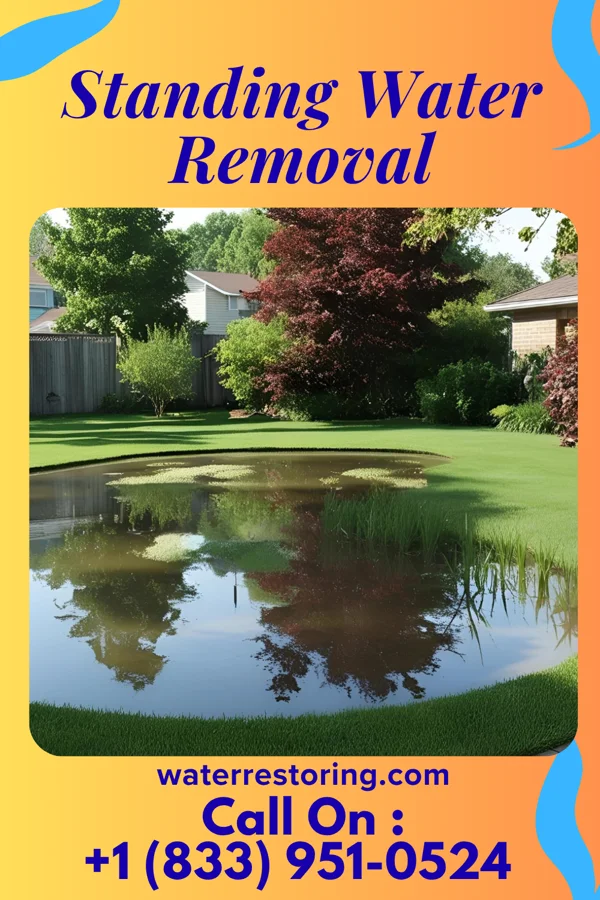
Why Tarlton Standing Water Demands Fast Removal
Most water damage emergencies in Tarlton start with In Tarlton, Ohio, the primary water damage causes include basement flooding from nearby creeks and heavy rainfall, as well as plumbing leaks in older homes with outdated piping systems. Due to the rural setting, sudden weather changes and inadequate drainage can lead to significant water intrusion in residential properties.. A close second is Secondary causes include sump pump failures during prolonged rain events, roof leaks from aging or improperly maintained roofing materials, and water seepage through foundation cracks in homes built on unstable soil. These issues are common in the area due to its proximity to natural water sources.. From the second water touches the property, every minute changes what gets saved and what gets ripped out.
Tarlton's rural location and surrounding natural waterways make it vulnerable to seasonal flooding, especially during spring thaw and heavy summer storms. The area's climate also increases the risk of prolonged moisture exposure, which can lead to mold growth and structural damage if not addressed promptly.
Most standing water removal calls in Tarlton come from In Tarlton, Ohio, the primary water damage causes include basement flooding from nearby creeks and heavy rainfall, as well as plumbing leaks in older homes with outdated piping systems. Due to the rural setting, sudden weather changes and inadequate drainage can lead to significant water intrusion in residential properties.. Running a close second is Secondary causes include sump pump failures during prolonged rain events, roof leaks from aging or improperly maintained roofing materials, and water seepage through foundation cracks in homes built on unstable soil. These issues are common in the area due to its proximity to natural water sources.. Local mold risk: Given the area's climate and infrastructure, mold can develop within 48 hours of water exposure, making rapid response critical in Tarlton. Delayed action can lead to severe health risks and costly repairs due to the region's susceptibility to moisture retention.
For public guidance on the health effects of mold after prolonged water exposure, see the EPA mold and health page.